Are you torn between a condo and a villa in Bonita Springs? You are not alone. Many buyers love the area’s beach access, golf communities, and low-maintenance living options, but the words condo and villa can mean very different things once you look at ownership, maintenance, and monthly costs. This guide will help you compare the two in a practical way so you can shop with more confidence. Let’s dive in.
Why the Label Can Be Misleading
In Bonita Springs, the word villa often describes how a home looks or lives, not a single legal ownership type. A villa may be attached or detached, and that matters. In local MLS data, a “villa attached” is typically counted with condo inventory, while a “villa detached” is usually counted with single-family inventory.
That is why the legal structure matters more than the marketing label. In Florida, condos are governed under Chapter 718, while HOA communities are governed under Chapter 720. The association documents, not the name alone, tell you what is maintained, how expenses are shared, and what rules apply.
Condo vs Villa Basics
What a Condo Usually Means
A condo in Bonita Springs often means you own the interior unit space while the condominium association is responsible for certain shared property and common elements it is charged with maintaining. Condos can be found in low-rise, mid-rise, and high-rise buildings, along with coach home and carriage home formats. These homes often appeal to buyers who want simpler exterior upkeep and strong amenity packages.
Florida condo ownership also comes with a larger set of association documents for buyers to review. Those documents may address parking, rentals, pets, noise, and use restrictions. If you are comparing options, this paperwork is worth close attention because it shapes your day-to-day ownership experience.
What a Villa Usually Means
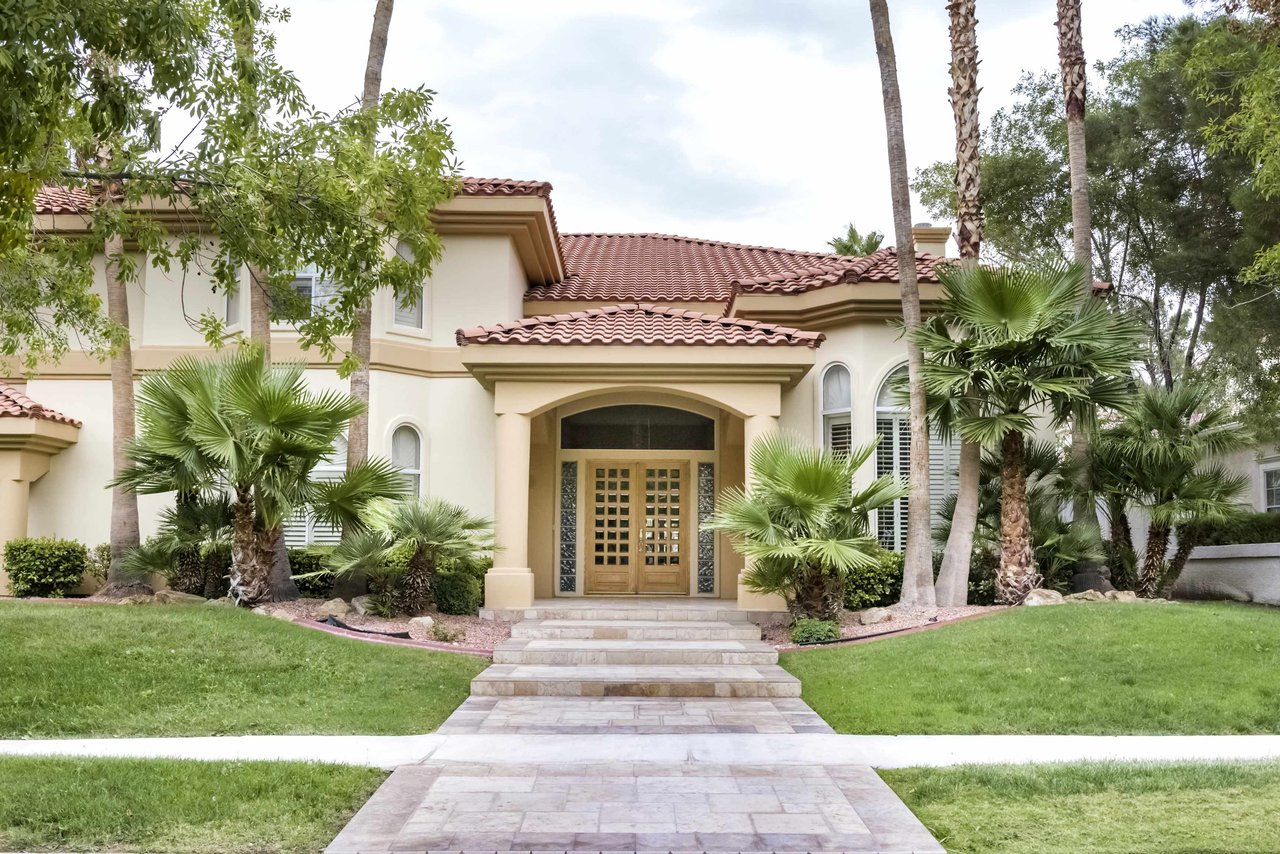
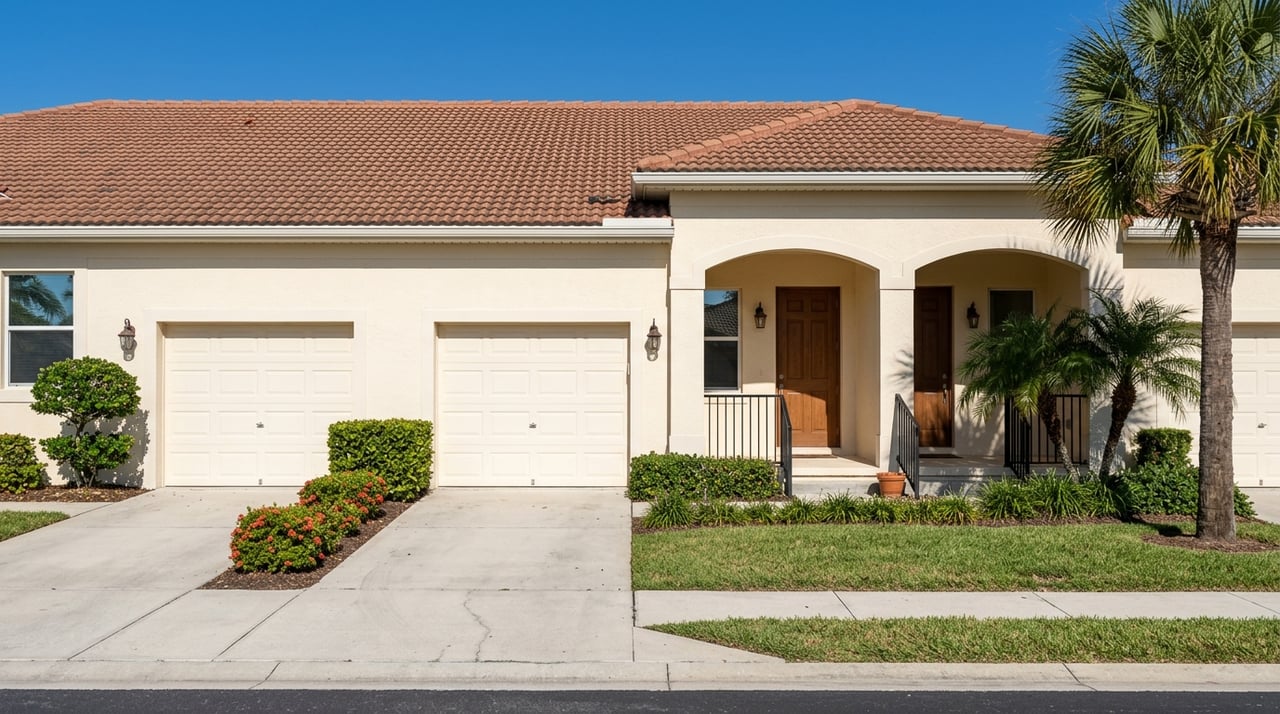
A villa usually feels more house-like. You may get a private entry, more ground-level outdoor space, and a layout that offers a little more separation from neighbors. In communities like Bonita Bay and Pelican Landing, villas are often described as maintenance-free attached or detached homes, and some include pools, courtyard pools, or lush landscaping.
Still, a villa is not automatically separate from association rules or fees. Some villa communities operate with light shared responsibilities, while others include more extensive maintenance through the association. The only way to know what you are really buying is to read the governing documents for that specific community.
How Daily Living Feels Different
Privacy and Outdoor Space
In general, condos tend to feel more like building living, while villas usually feel more like living in a house. That difference often shows up in the entry experience, the amount of nearby outdoor space, and how much direct contact you have with neighboring homes. For many buyers, this lifestyle difference is just as important as price.
If you picture morning coffee on a ground-level lanai or want a more private entrance, a villa may feel like a better match. If you prefer lock-and-leave convenience and a simpler building-style setup, a condo may be a better fit. In Bonita Springs, both options can be found in amenity-rich communities.
Parking and Storage
Parking and storage are community-specific, not property-type-specific. A condo may include assigned spaces, guest parking rules, or garage options, while a villa may or may not come with a garage or extra storage. You should verify these details in the site plan and declaration instead of assuming the word condo or villa tells the full story.
This is especially important for seasonal owners and buyers with multiple vehicles, golf gear, or beach equipment. A great floor plan can lose some appeal if the parking setup does not work for your lifestyle. Small practical details often make a big difference after closing.
Maintenance and Monthly Costs
What Condo Fees Often Cover
Condos often feel more all-in when you look at monthly dues. Under Florida law, the condominium association is responsible for maintaining the common elements it is charged with maintaining, and it must carry property insurance for the condominium property it insures. That policy does not cover personal property and may not cover many interior finishes, which remain the unit owner’s responsibility.
Condo owners are also directly liable for assessments as they come due. That means your true carrying cost is not just the monthly fee. You also need to understand the budget, reserve structure, insurance setup, and the possibility of special assessments.
How Villa Costs Can Vary
Villa communities can work very differently. In an HOA-governed community, the governing documents control expense sharing, assessments, and maintenance responsibilities. One villa may come with very limited association coverage, while another may include landscaping, exterior care, or other maintenance services.
Because of that, villas are not automatically cheaper to own. Condos are not automatically more expensive either. The better question is simple: What does the fee actually cover?
What to Review Before You Buy
Before you fall in love with a floor plan, compare these items in each community:
- Monthly dues
- What the association maintains
- Roof and exterior responsibility
- Landscaping responsibility
- Insurance responsibilities
- Parking and guest parking rules
- Rental limits
- Pet rules
- Special assessment history or structure
- Access to amenities and shared spaces
This review is where practical real estate advice matters. A lower monthly fee can sometimes mean higher out-of-pocket ownership costs later, while a higher fee may include services that reduce your maintenance burden.
Bonita Springs Community Examples
Condo-Oriented Options
Bonita Springs has a wide range of condo communities and formats. Bonita Village is a gated condominium community known for resort-style amenities and a beach shuttle. Pelican Landing includes condo neighborhoods in low-rise, mid-rise, and high-rise formats, including Cypress Island, Lakemont Cove, Sandpiper Isle, and Southbridge.
Bonita Bay also shows the condo side of the market clearly with high-rise residences and coach-home or condo options. If you want amenity-rich living with less exterior responsibility, these kinds of communities often draw strong interest from seasonal and second-home buyers.
Villa-Oriented Options
Pelican Landing also offers several villa neighborhoods, including Costa del Sol, Heron Cove, Heron Glen, Longlake Village, Pinewater Place, and Villa Trevi. Bonita Bay highlights villa and patio home options as well, with some homes featuring pools and landscaped surroundings. These neighborhoods often appeal to buyers who want a more private, ground-level lifestyle while still enjoying a planned community setting.
Bonita Fairways is another helpful example because it includes single-family homes, villas, and condominiums in one golf-and-amenity environment. That mix is a good reminder that the overall community experience matters just as much as the property label.
Which Option Fits Your Goals?
A Condo May Fit Best If You Want
- Lower exterior maintenance responsibility
- Building-style living
- Amenity-rich community features
- A seasonal or lock-and-leave setup
- Access to formats like low-rise, mid-rise, high-rise, coach home, or carriage home living
A Villa May Fit Best If You Want
- A more house-like feel
- A private entry
- More ground-level outdoor use
- Potentially more privacy
- Community amenities without moving fully into a traditional single-family setup
Your best choice depends on how you want to live, not just what sounds better in a listing. In Bonita Springs, both condos and villas can be excellent fits when the community structure matches your priorities.
The Smart Way to Compare Homes
The simplest way to compare a condo and a villa is to look past the headline and review the actual ownership details. Start with the legal structure, then move to maintenance responsibilities, insurance, parking, rental rules, and dues. Once those pieces are clear, the lifestyle side of the decision becomes much easier.
This is where local guidance can save you time. In Bonita Springs, two homes with similar prices can come with very different monthly obligations and ownership responsibilities. A practical review upfront helps you avoid surprises and choose the property that fits both your budget and your day-to-day life.
If you are weighing condo versus villa options in Bonita Springs, working with a local advisor who understands community differences can make the search much easier. Joe Janisch can help you compare communities, review the practical details, and find the right fit for your lifestyle goals.
FAQs
What is the main difference between a condo and a villa in Bonita Springs?
- In Bonita Springs, a condo is usually defined by condominium ownership and association structure, while a villa often describes a house-like layout that may be attached or detached.
Are villa homes in Bonita Springs always cheaper than condos?
- No. Ongoing costs depend on what the association covers, how expenses are shared, and whether the community has assessments or broader maintenance obligations.
Do Bonita Springs condos and villas have different parking rules?
- Sometimes, but parking rules are community-specific. You should verify assigned spaces, garages, guest parking, and vehicle restrictions in the governing documents.
Which Bonita Springs property type is better for seasonal living?
- Many seasonal buyers prefer condos because they often offer lower exterior responsibility and amenity-rich living, but some villas also work well if you want a more private, ground-level setup.
What documents should you review before buying a condo or villa in Bonita Springs?
- You should review the declaration, budget, rules, maintenance responsibilities, insurance details, parking rules, rental limits, pet rules, and any assessment information for the specific community.