Should you live east or west of US-41 in Bonita Springs? If you’re torn, you’re not alone. Each side offers a different mix of home types, HOA structures, commute times, flood exposure, and day-to-day lifestyle. In this guide, you’ll learn what changes when you cross US-41 and how to match your goals to the right area. Let’s dive in.
East vs. West at a glance
- West of US-41: Closer to Estero Bay and the Gulf, more condos and near-beach options, strong vacation appeal, and typically higher per-square-foot pricing. You may see higher HOA/condo fees and greater flood and wind insurance considerations.
- East of US-41: More single-family neighborhoods, master-planned and gated communities with amenities, and easier access to I-75 and regional shopping. Often more space for the price and a larger share of full-time residents.
US-41 is also called Tamiami Trail and, in parts, Old 41. Think of it as your reference line: west leans coastal lifestyle; east leans space, amenities, and convenience.
What you’ll find west of US-41
Home types and HOAs
You’ll see a higher concentration of condos, townhomes, and smaller-lot single-family homes oriented around beach access and water views. HOAs and condo associations are common, especially in gulf-side communities. Condo fees often cover exterior building maintenance, exterior insurance for condos, landscaping, common areas, and sometimes beach access management.
Lifestyle and access
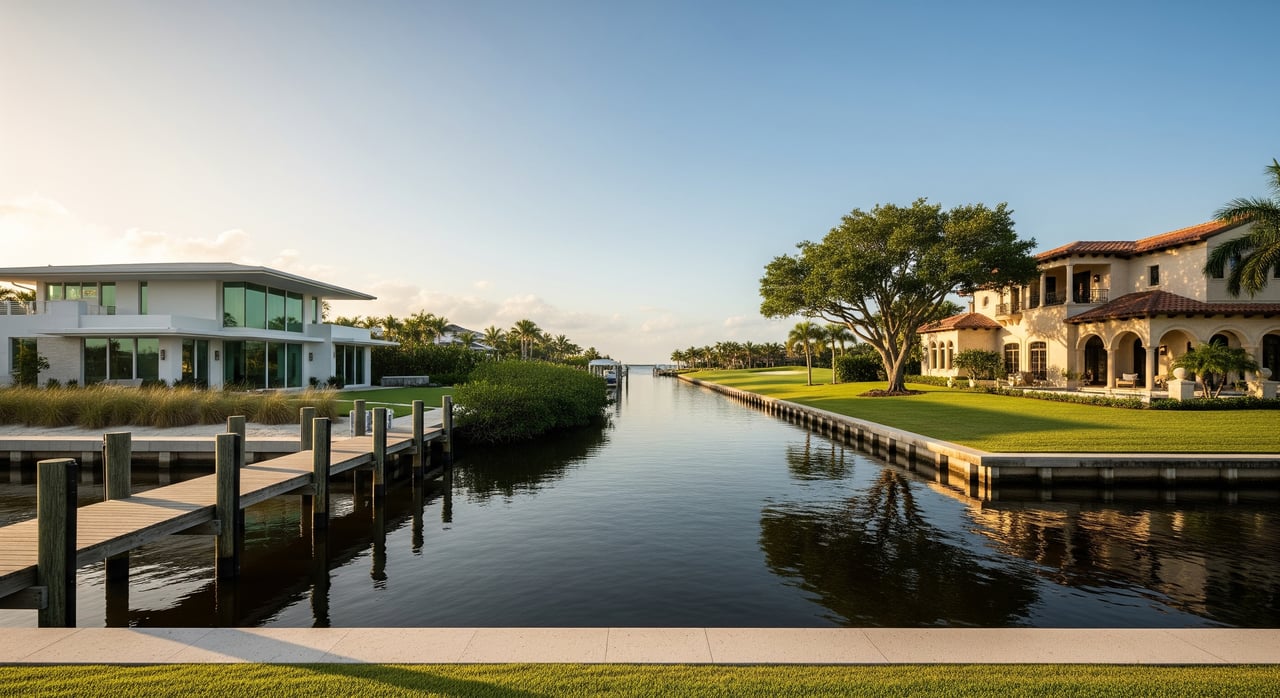
If you want quick access to beaches, bays, boating, fishing, and seaside dining, the west side makes it easy. Many buyers choose a lock-and-leave condo for seasonal living. Expect more tourist activity in winter and busy peak-season weekends.
Insurance and flood considerations
Properties closer to the coast are more likely to sit in coastal flood or storm surge zones. Flood insurance, elevation certificates, and wind-mitigation features can meaningfully affect ongoing costs. Always review FEMA and county floodplain resources, and get insurance quotes early in your due diligence.
Who it fits
Buyers who prioritize beach time, low-maintenance living, or potential seasonal rental demand often choose west. Investors should confirm HOA rules and county regulations before assuming short-term rental income.
What you’ll find east of US-41
Home types and HOAs
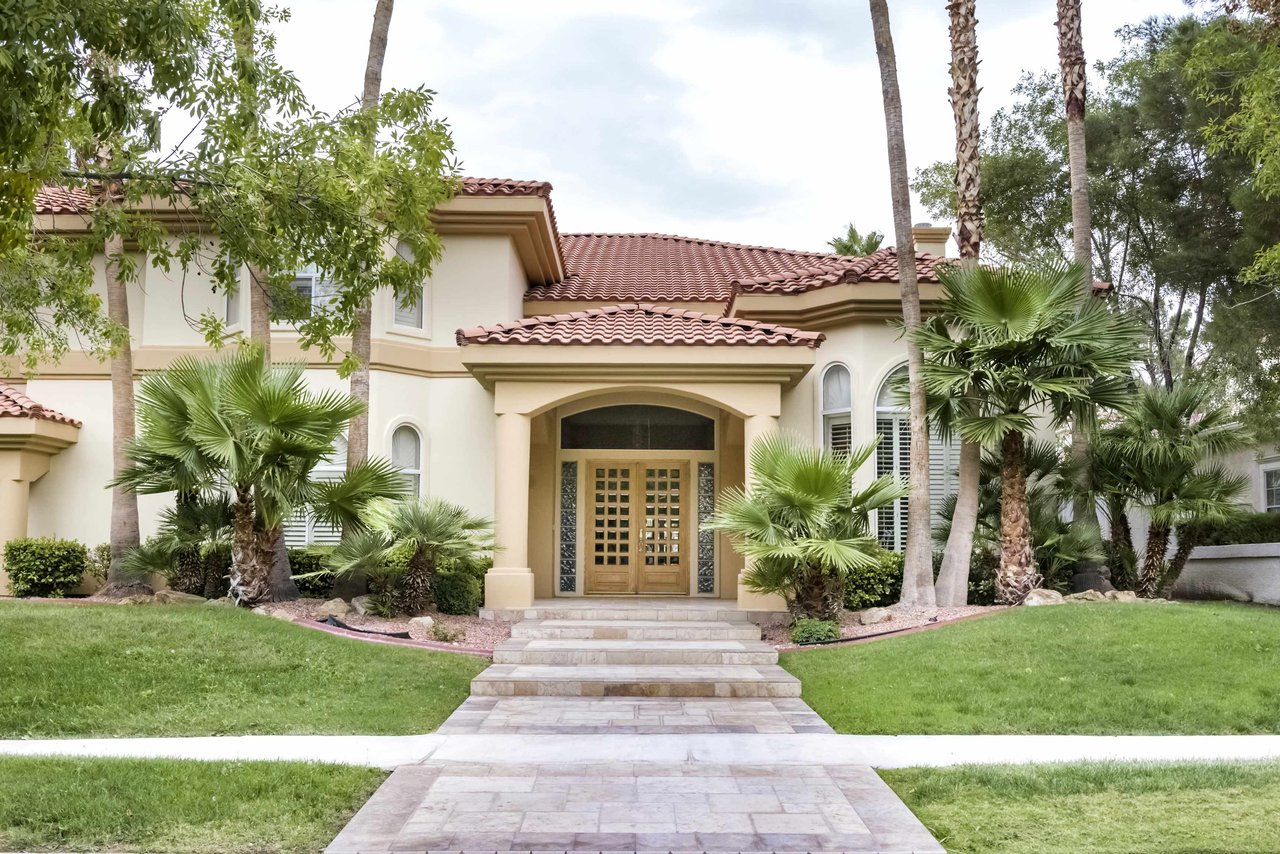
East of US-41 you’ll find more single-family homes, many in master-planned or gated communities with amenities like pools, fitness centers, clubhouses, and golf. Newer subdivisions are common. HOAs are typical in these communities, though some pockets of non-HOA homes and rural acreage exist further east.
Lifestyle and access
This side offers more yard space, neighborhood parks, and community amenities. If you want room to spread out or a newer home with modern systems and finishes, the east side delivers. You’re also closer to regional shopping and services in the Estero and Coconut Point area.
Commute and connectivity
Access to I-75, the airport, and regional employers is generally faster from the east side. If your schedule includes regular drives to Fort Myers, Estero, or Naples, the convenience can be a major win.
Who it fits
Full-time residents and buyers who value space, newer construction, and amenity packages often prefer east. Some communities limit or prohibit short-term rentals, so verify rules if rental flexibility matters to you.
Price drivers and value
You typically pay more per square foot as you get closer to the Gulf or for water and beach proximity. On the west side, that premium often shows up in condo pricing and near-beach single-family homes. Inland, the same budget can often buy more square footage, larger lots, or newer construction.
HOA and condo fees vary widely by property type and amenities. West-side condo fees often cover building exteriors, elevators, common areas, and exterior insurance for condos. East-side master-planned community fees commonly cover landscaping of common areas, guard services, and shared amenities, and sometimes cable or grounds maintenance. Always compare what’s covered, not just the monthly cost.
Commute and daily convenience
- West: Walk or bike to beach access points in select areas, with local restaurants and small commercial strips nearby. Plan on longer drives to I-75 and the largest retail centers and expect heavier seasonal traffic on popular corridors.
- East: Faster access to I-75 and regional destinations, plus proximity to major shopping, medical services, and everyday conveniences. The trade-off is a longer drive to the beach.
Rental and second-home notes
Many west-side buildings see stronger short-term rental demand, but HOAs and county rules regulate rentals. Some inland communities focus on owner occupancy and may restrict short-term stays. If income potential is important, review HOA documents and local policies before you write an offer.
Schools and zoning basics
School zoning comes from the Lee County School District and can change over time. Neighborhoods on both sides of US-41 feed into different schools. Verify current attendance zones and any choice or transportation policies directly with the district before you decide.
Seasonal traffic and timing
Southwest Florida experiences a notable winter season with more visitors and part-time residents. Expect longer drive times and higher demand for restaurants and services during peak months. If you plan to live here year-round, visit in high season and off-season to feel the difference.
How to choose: a quick checklist
- Define your must-haves: beach proximity, yard size, amenities, or commute time.
- Compare recent sales: review current west vs. east pricing and days on market with your agent.
- Review HOA and condo docs: confirm fees, what’s covered, rental policies, pets, and exterior rules.
- Check flood exposure: verify flood zone, ask for elevation data, and get insurance quotes early.
- Test the commute: drive your routes to I-75, the airport, and key shopping during peak hours.
- Confirm school details: verify current zones and options with the district.
- Plan for seasonality: visit in winter and gauge traffic, parking, and beach access.
Example property profiles
Gulf-adjacent condo or townhome (west)
- Pros: Beach access, water-oriented lifestyle, lower exterior maintenance, potential seasonal demand.
- Considerations: Higher flood and wind insurance exposure, higher condo fees, rental restrictions possible.
Near-beach single-family home (west)
- Pros: Close to the beach with private yard space and more privacy than a condo.
- Considerations: Some flood exposure, higher insurance and maintenance compared to inland new builds.
Inland master-planned community (east)
- Pros: Newer construction, larger homes and lots, robust amenities, often easier I-75 access.
- Considerations: Further drive to the beach; HOA rules vary by community.
Rural acreage or non-HOA pockets (farther east)
- Pros: Space, privacy, and fewer HOA constraints; room for pets, hobbies, or outbuildings.
- Considerations: Longer drives to services; site-specific drainage or flood considerations still apply.
The bottom line
West of US-41 gives you the beach lifestyle and a condo-forward market with coastal insurance and flood realities. East of US-41 offers space, newer master-planned living, and commuter convenience. Both sides can be great choices. The right fit depends on how you weigh beach proximity, budget, HOA structure, commute, and ongoing costs.
If you want a practical, inspection-aware take on costs, condition, and community rules, let’s walk through your short list together and compare the trade-offs in real time. Reach out to Joe Janisch for local guidance and a clear plan to buy with confidence.
FAQs
What changes most when you cross US-41 in Bonita Springs?
- West often means beach proximity, more condos, and higher per-square-foot pricing; east often means larger single-family homes, more amenities, and easier I-75 access.
Are HOA or condo fees higher on the west side?
- West-side condo fees often cover exterior maintenance and exterior insurance for condos, while east-side HOA fees often fund amenities and common-area services; compare what’s included.
How does flood risk compare east vs. west of US-41?
- Coastal areas generally face greater flood and storm surge exposure; inland areas may have lower exposure but still require site-specific checks near rivers and drainage.
Which side is better for short-term rentals?
- Many west-side buildings see stronger demand, but HOA and county rules control rentals; verify minimum lease terms and restrictions before buying.
Is the commute easier from the east side?
- Typically yes; east-side neighborhoods often have faster access to I-75, the airport, and regional employers.
Are schools different between the two sides?
- Attendance zones vary by neighborhood and can change; verify current zoning and options with the Lee County School District before deciding.