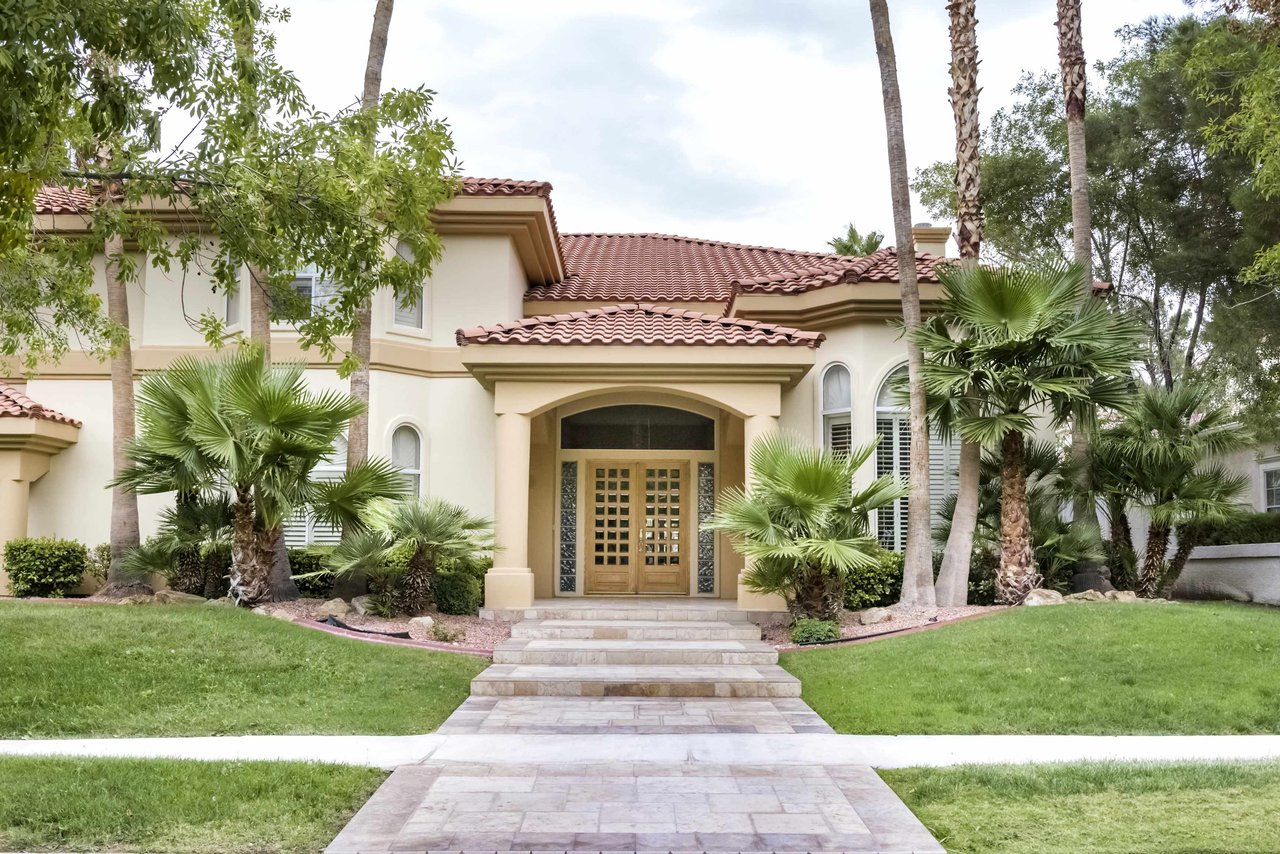
Should you invest in a pre-listing inspection or sell your Bonita Springs home as-is and let the buyer investigate? It is a common crossroads, especially in our coastal market where roofs, windows, and HVAC systems carry extra scrutiny. You want a smooth sale, a strong price, and minimal surprises. In this guide, you will learn the pros, cons, and local factors that help you choose the right path for your Lee County property. Let’s dive in.
What each option means
Pre-listing inspection
A pre-listing inspection is when you hire a licensed inspector before you go on the market. You get a report that outlines defects, safety issues, and maintenance items. With that report, you can complete repairs, collect repair bids to share, or list as-is while providing the report to buyers.
Selling as-is with right to inspect
Selling as-is signals you are not promising to make repairs. The buyer still has the standard inspection contingency. They can accept the home, request repairs or credits, or cancel after inspections. As-is does not remove your legal duty to disclose known material defects under Florida law.
Core tradeoffs at a glance
- Pre-listing inspection: fewer surprises, faster closings, stronger pricing leverage, upfront cost and possible repair expense.
- As-is with inspection right: less prep and cost today, more negotiation risk later, potential for price concessions or buyer walkaways.
What Bonita Springs buyers look for
Our coastal climate is hot and humid, and salt air plus storm exposure speeds wear. Buyers and lenders focus on condition in a few key areas:
- Roofs: age, loose tiles or shingles, flashing, and past storm repairs often drive negotiation.
- Windows, doors, and shutters: wind resistance and water intrusion concerns are common.
- HVAC systems: heavy seasonal use means buyers look for age, service records, and adequate cooling.
- Termites and wood-destroying organisms: treatment history matters in our subtropical climate.
- Stucco and exterior seals: cracks and unsealed penetrations can lead to moisture intrusion.
- Pools and equipment: pumps, heaters, deck cracking, and plumbing leaks come up often.
- Seawalls and bulkheads: for waterfront homes, erosion and tie-back condition are key.
- Flood exposure: many neighborhoods fall within mapped flood zones, so buyers review FEMA data and insurance options.
- Permits: unpermitted additions, re-roofs, or renovations can delay or derail closings.
If you need permit history, check the county’s records through the Lee County permit system. For lot details and legal descriptions, the Lee County Property Appraiser is a helpful lookup. To confirm flood zones or pull maps, use the FEMA Flood Map Service Center.
Price, time, and financing implications
Pre-listing inspections can reduce renegotiations and help justify your price by documenting the home’s condition. They can also support a faster closing if repairs are handled in advance.
Selling as-is lowers your upfront work, but the buyer’s inspection often leads to requests for repairs or credits. If major issues show up, buyers can cancel, which increases days on market and can push your final price lower.
Financing matters too. Lenders may require certain repairs before funding if they impact safety or livability, which can affect FHA, VA, or conventional loans. For reference on property condition standards, review HUD’s FHA Single Family Housing Policy Handbook 4000.1. Appraisers can also adjust value for significant deferred maintenance. When issues are extensive, your buyer pool may shift toward cash or renovation loan buyers.
When a pre-listing inspection makes sense
Choose a pre-listing inspection if you want control over timing and price. It helps when:
- You suspect roof, HVAC, or moisture issues that could scare off buyers if discovered late.
- You plan to target financed buyers, not just cash, and want to avoid lender-mandated repairs mid-escrow.
- You want to fix key items or present bids and warranties to support your asking price.
- You value transparency that builds buyer confidence and reduces back-and-forth.
When selling as-is makes sense
An as-is approach can be smart when:
- You need a fast list date and prefer not to manage contractors or permits.
- The property needs larger updates, and you plan to price accordingly to attract investors or project-friendly buyers.
- You are comfortable with a smaller pool of buyers and potential for concessions after the buyer’s inspection.
Remember, you still must disclose known material defects even when selling as-is.
Step-by-step: A pre-listing inspection plan
If you opt for a pre-listing inspection, follow this simple workflow:
- Hire a Florida-licensed inspector with local experience. Add specialists if needed, such as roofers, WDO termite inspectors, HVAC, pool, septic, or seawall experts.
- Review the report with your agent and sort items by priority: safety or code, major systems, and minor or cosmetic.
- Get 2 to 3 local contractor bids for high-priority items. Confirm if permits are required, then document scope, permits, invoices, and warranties.
- Choose your strategy: repair critical issues, repair some and offer credits for others, or list as-is while sharing the full report and your seller disclosure.
- Prepare a clean disclosure packet that includes inspections, permits, contractor paperwork, HOA documents, and flood information.
To verify contractor licenses, use the Florida DBPR license lookup. To confirm permit needs or status, consult the Lee County permit system.
Inspection readiness checklist
Use this quick list to get inspection-ready:
- Roof and attic: age, flashing, stains, ventilation, and any leak history.
- HVAC: age, service records, ductwork, and cooling capacity.
- Electrical and plumbing: panel type, GFCIs, visible hazards, leaks, water heater age.
- Interior and exterior: stains, cracks, stucco, paint, windows and doors, grading or drainage.
- Garage and safety: door condition, wind bracing, smoke and CO detectors, handrails, trip hazards.
- Pool and spa: pumps, heaters, filters, decking, and visible plumbing issues.
- Termite and WDO: prior treatment and any visible damage.
Smart negotiation strategies
You have several options to keep momentum and protect your bottom line:
- Repair before listing to widen your buyer pool and reduce financing hurdles.
- Offer a closing credit for agreed items so buyers can choose their own contractors.
- Price the home to reflect condition and present bids to support your pricing.
- Share the pre-listing inspection in your MLS disclosures to reduce late surprises.
- Consider contract terms such as a clear inspection period, right to cure for major issues, or an escrow holdback if a repair must be completed after closing.
Local resources to gather now
Collect the information serious buyers expect in Bonita Springs:
- Permit and inspection history through the Lee County permit system.
- Property record and legal description via the Lee County Property Appraiser.
- FEMA flood zone and maps from the FEMA Flood Map Service Center.
- Contractor license verification using the Florida DBPR license lookup.
- Financing condition guidelines in HUD’s FHA Handbook 4000.1.
Choosing between a pre-listing inspection and selling as-is comes down to your timing, risk tolerance, and the likely condition issues in a coastal market. If you want stronger leverage and fewer surprises, the pre-listing route gives you clarity and options. If you need speed and prefer not to manage repairs, as-is can work with the right pricing and disclosures.
If you want a grounded recommendation for your property, reach out to Joe Janisch. You will get practical, inspection-aware guidance and a clear plan to price, market, and negotiate your Bonita Springs sale with confidence.
FAQs
What does “as-is with right to inspect” mean in Florida?
- It means you are not agreeing to make repairs, but the buyer can inspect, then accept, request concessions, or cancel during the inspection period.
Do I still have to disclose defects if I sell as-is?
- Yes. Florida sellers must disclose known material defects. As-is does not remove your disclosure duty.
Will a pre-listing inspection help me sell faster in Bonita Springs?
- It often reduces surprise issues and renegotiations, which tends to support faster closings and clearer pricing.
How do lenders handle property condition problems?
- Lenders may require certain repairs before funding. Appraisers can reduce value for major deferred maintenance, which may trigger price changes.
What local records should I pull before listing?
- Permit history, FEMA flood maps, property data, and contractor licenses. Use Lee County permitting, FEMA maps, the property appraiser, and Florida DBPR.
When is an escrow holdback useful for repairs?
- If a repair cannot be completed before closing, parties sometimes hold funds in escrow to finish the work after closing, subject to lender approval.