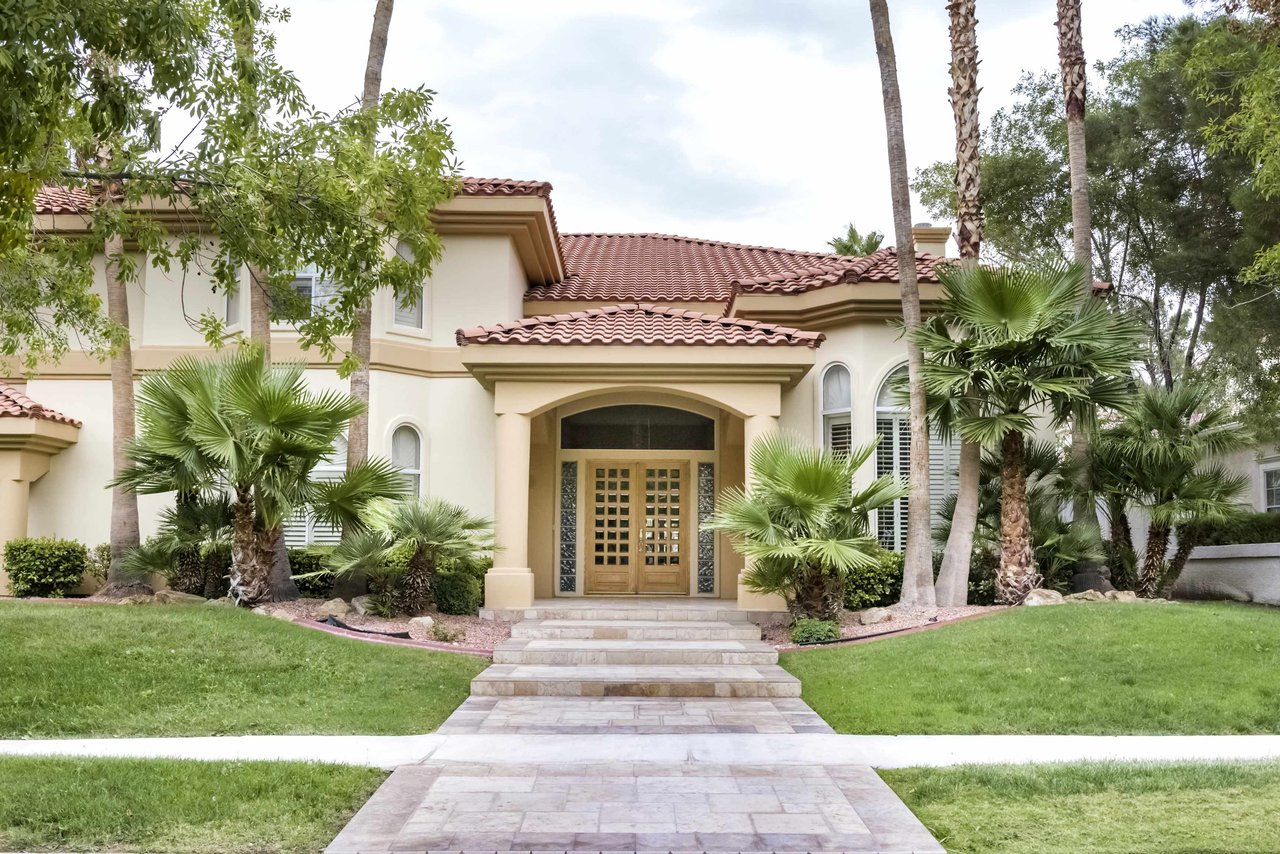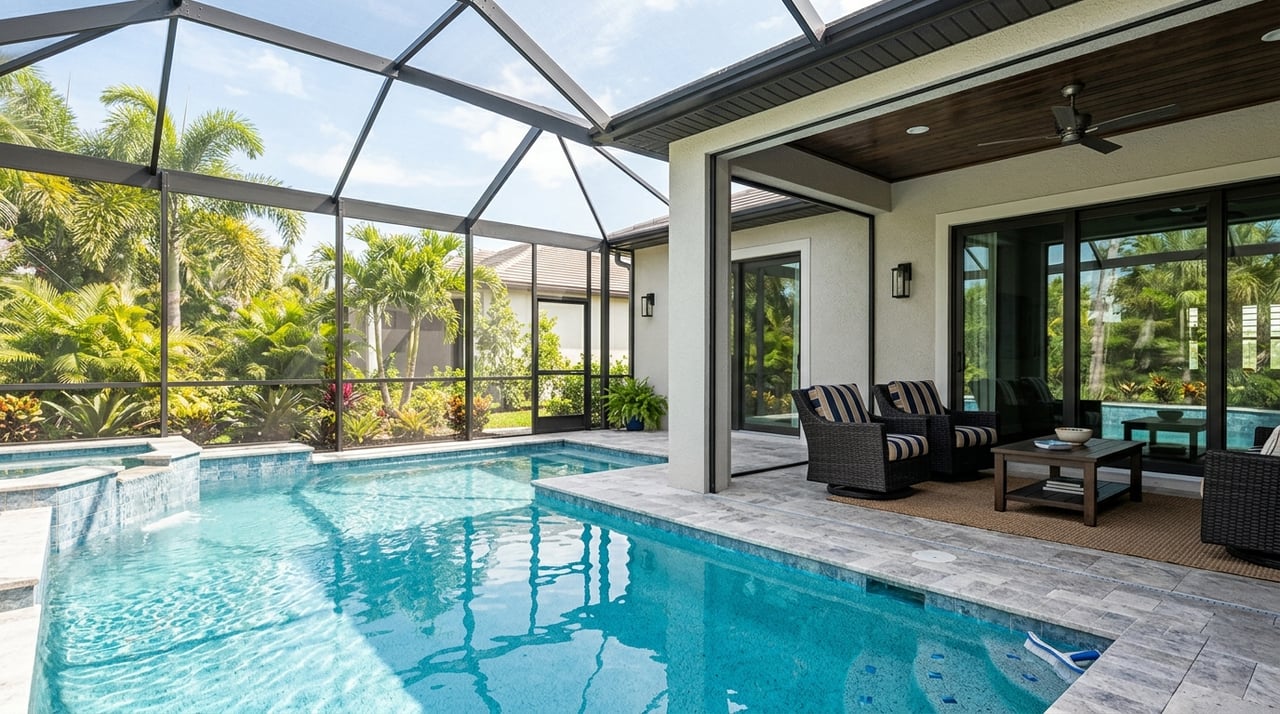
Thinking about splitting your time in Bonita Springs, or making it your full-time home? That choice affects more than your calendar. It can change your property taxes, insurance setup, maintenance plan, and even how you use the home day to day. If you are weighing a snowbird lifestyle against year-round living, this guide will help you compare the tradeoffs clearly. Let’s dive in.
Why your occupancy plan matters
In Bonita Springs, the biggest difference between seasonal and full-time living is whether the home is your permanent Florida residence. That status affects tax treatment, long-term carrying costs, and how you should plan for insurance and upkeep.
A lot of buyers focus first on lifestyle, which makes sense. You may be picturing winter beach days, golf, or a lower-maintenance condo near everything. But before you decide, it helps to understand how primary, seasonal, and hybrid use can lead to very different ownership costs and responsibilities.
Full-time living and Florida homestead
If you plan to make Bonita Springs your permanent residence, homestead status is one of the biggest financial considerations. Lee County says homestead eligibility requires legal title or beneficial interest, permanent residence as of January 1, and a filed DR-501 application.
A qualifying homestead can reduce taxable value by up to $50,000. On top of that, Save Our Homes limits annual assessment growth on homesteaded property. For 2026, the Florida Department of Revenue lists the Save Our Homes cap at 2.7%.
That can make a real difference over time, especially if you expect to hold the home for years. Lee County also says portability may allow you to transfer some or all of a prior Florida homestead’s Save Our Homes difference to a new primary residence, as long as the application follows the homestead filing timeline.
There are a few details buyers often miss. Homestead does not transfer automatically when a home changes hands. Lee County also notes that homestead can be lost if the property no longer serves as your primary residence, including when it is rented long-term.
What full-time owners should consider
If you are leaning toward year-round living, keep these points in mind:
- Your home may qualify for homestead if it is your permanent residence
- Save Our Homes can help limit assessment growth over time
- Portability may matter if you already own a Florida homestead
- Long-term renting can affect homestead status
- A full-time plan usually supports deeper year-round community involvement
Seasonal living and second-home ownership
Seasonal living is a popular fit in Bonita Springs for buyers who want sunshine and flexibility without relocating full time. If the property is a second home or vacation home, Lee County says it is generally treated as non-homestead residential property.
That matters because the tax rules are different. Lee County says second homes and vacation homes receive a 10% assessment limitation automatically. After a sale, the property is reassessed at full market value, and that 10% cap applies starting the following January 1.
Even with that cap, your tax bill can still change. Lee County notes that millage rates and non-ad valorem assessments may move from year to year. So if you are comparing a full-time move with a seasonal setup, the long-term tax path is not the same.
Why seasonal owners need a stronger away plan
A seasonal home is not just a full-time home that sits empty for a few months. Vacancy changes the risk profile. It also changes how carefully you need to think about inspections, maintenance, and local support while you are away.
This is where practical planning matters. In Southwest Florida, weather, humidity, storm prep, and time away from the property all play a role in ownership experience.
Hybrid living sits in the middle
Some buyers do not fit neatly into either category. You may spend most of the year elsewhere but still use Bonita Springs regularly, or you may plan a gradual transition into full-time Florida living.
That hybrid approach can work well, but the details matter. Lee County says extended travel does not necessarily change homestead status if the home remains your permanent residence. But if you change your primary residence or begin long-term renting, the status can change.
For many buyers, hybrid living is appealing because it gives you flexibility. The key is being honest about how you will actually use the home, not just how you hope to use it later.
Insurance changes with occupancy
Insurance is one of the biggest differences between seasonal and full-time ownership. Florida’s insurance guidance says homeowners policies vary by insurer and by how the structure is occupied. It also says flood insurance is usually separate from homeowners coverage.
If you are buying a condo, the Florida Chief Financial Officer says an HO-6 policy is the standard form for unit owners. That can be especially important in condo-heavy parts of the Bonita Springs market.
Vacancy can affect coverage
If your home sits unoccupied for weeks or months, you need to review your policy carefully. Triple-I’s 2025 guidance says many homeowners policies include vacancy clauses that can limit or exclude coverage when a home is unoccupied for roughly 30 to 60 consecutive days.
That is a big reason seasonal owners should notify their insurer if the home will be vacant. The Florida CFO also notes that insurers may inspect for maintenance issues like overgrown grass, dead limbs, and non-operating vehicles. In real life, that means periodic check-ins or a reliable home-watch routine often become part of the ownership plan.
Flood and storm planning belong in your budget
In Bonita Springs, storm readiness is part of owning property, whether you live here full time or not. Florida Disaster says hurricane season runs from June 1 through November 30 and recommends knowing your evacuation zone and your home’s strength before a storm.
It is also important to budget correctly. Flood is not covered by a standard homeowners policy, so flood insurance may be a separate cost to evaluate. Even if you are not here year-round, your home still needs a storm plan before you leave for the season.
Condos can simplify seasonal ownership
For many part-time buyers, a condo offers a more manageable ownership model. Florida law says condominium associations are responsible for common-element maintenance, repair, and replacement.
That can reduce some of the exterior upkeep burden compared with a property where you are handling more of the structure and grounds yourself. If you plan to be away often, that difference can be meaningful.
Of course, lower exterior responsibility does not mean fewer decisions. Condo buyers still need to understand the building, the association, the insurance setup, and how the rules affect everyday use.
HOA and condo rules matter more than many buyers expect
In Bonita Springs, association rules can shape your ownership experience almost as much as the home itself. Florida law says members, tenants, guests, and invitees must comply with governing documents and association rules.
That is why it is smart to review association materials early. In many communities, rules around parking, pets, storage, guest use, amenity access, architectural changes, and hurricane-shutter responsibilities can have a major impact on whether the property fits your lifestyle.
Focus on these documents early
Before you commit, review:
- The declaration
- Bylaws and rules
- Budget information
- Reserve-related materials
- Any use restrictions that affect guests or rentals
This step matters for both full-time and seasonal buyers, but it is especially important if you expect to spend part of the year away.
Renting the home changes the equation
Some buyers picture a hybrid plan where they use the home part of the year and rent it while they are away. That can sound simple on paper, but it changes both the insurance review and the association review.
Triple-I says standard homeowners policies typically exclude commercial activity, and short-term rentals can create coverage gaps, higher deductibles, and the need to notify the carrier. If renting is part of your plan, you will want to confirm exactly how your insurer and association handle that use.
This is one area where assumptions can get expensive. A community that works well for personal seasonal use may not work the same way if rental restrictions, guest limits, or approval requirements are part of the rules.
Bonita Springs feels different in peak season
Lifestyle is still a big piece of this decision, and Bonita Springs changes with the calendar. Lee County’s beach-management page says the county had 3.2 million visitors in 2024 who generated more than $3.11 billion in direct expenditures.
Visit Fort Myers’ January through March 2024 report says the Fort Myers area hosted 828,000 visitors in that quarter. In practical terms, that helps explain why winter and early spring are often the busiest times for beaches, dining, and traffic.
If you love energy and seasonal buzz, that may be part of the appeal. If you prefer a steadier daily rhythm and deeper local routines, full-time living may feel like a better fit.
Full-time residents often plug in more deeply
Bonita Springs is not just a winter destination. The city highlights parks and recreation, special events, volunteer access, citizen requests, and public council meetings on the first and third Wednesday of each month. The city also notes that it hosts many events year round.
That creates different experiences depending on how you live here. Full-time residents often have the easiest path to consistent involvement, while seasonal residents usually engage more selectively during the months they are in town.
Neither approach is better. It really comes down to what you want your home base to feel like.
A simple way to choose
If you are deciding between seasonal and full-time living in Bonita Springs, start with the practical questions first. Your answer usually becomes clearer when you compare taxes, insurance, maintenance, rules, and lifestyle side by side.
Here is a simple framework:
- Choose full-time living if you want Bonita Springs to be your permanent base and want to explore homestead benefits and long-term tax stability
- Choose seasonal living if you want flexibility, lower day-to-day commitment, and a strong plan for vacancy, inspections, and storm prep
- Choose a hybrid approach if you want flexibility now but are willing to define clearly whether the home is truly your primary residence and how, if at all, it will be rented
In this market, the best choice is usually the one that matches how you will really use the property, not just how it looks in a brochure. That is where local guidance can save you time and help you avoid surprises.
Whether you are comparing condos, single-family homes, or a lower-maintenance seasonal setup, Joe Janisch can help you weigh the real-world tradeoffs in Bonita Springs with practical, local insight.
FAQs
What is the difference between seasonal and full-time living in Bonita Springs?
- Full-time living usually means the property is your permanent Florida residence, while seasonal living usually means the home is a second home or vacation home used part of the year.
How does homestead affect property taxes in Bonita Springs?
- Lee County says a qualifying homestead can reduce taxable value by up to $50,000, and Save Our Homes limits annual assessment growth on homesteaded property.
What tax rule applies to a second home in Lee County?
- Lee County says non-homestead residential property, including second homes and vacation homes, receives a 10% assessment limitation automatically.
What happens to insurance if a Bonita Springs home sits vacant?
- Many homeowners policies may limit or exclude coverage when a home is unoccupied for roughly 30 to 60 consecutive days, so seasonal owners should review the policy and notify the insurer when needed.
Do Bonita Springs condo buyers need different insurance?
- Yes. The Florida CFO says HO-6 is the standard condo unit-owner policy form, and it includes required loss-assessment coverage provisions.
Why do HOA and condo rules matter for seasonal owners in Bonita Springs?
- Association rules can affect parking, pets, storage, guests, amenity use, architectural changes, and hurricane-shutter responsibilities, which can strongly shape how easy the home is to use while you are away.
Can I rent out my Bonita Springs home when I am not using it?
- Possibly, but renting can change your insurance needs and may be limited by association rules, guest limits, or approval requirements.
What should seasonal owners plan for during hurricane season in Bonita Springs?
- Florida Disaster recommends knowing your evacuation zone, knowing your home’s strength, keeping a disaster kit, and using county emergency resources for local updates.