Thinking about making Bonita Springs your year‑round home? You probably picture warm Gulf breezes, beach days, and easy living. That is real, but daily life also includes summer heat, seasonal traffic, hurricane prep, and practical decisions about insurance and HOAs. In this guide, you’ll learn what daily life feels like across seasons, how people get around, where you’ll find services, and what to consider before you choose a neighborhood. Let’s dive in.
Where Bonita Springs fits
Bonita Springs sits on Florida’s southwest Gulf coast between Fort Myers to the north and Naples to the south. The city spans inland neighborhoods and shoreline zones along Estero Bay with quick access to barrier islands. That mix is part of its appeal: quiet residential pockets, a small‑city vibe, and easy access to beaches and nature.
You’ll find a blend of year‑round families, working professionals, seasonal residents, and a strong retiree population. Many communities are designed for low‑maintenance living, including condos and 55+ options, while single‑family subdivisions serve full‑time residents who want yards and garages.
Daily life leans outdoors. Beaches, boating, fishing, and golf shape the culture. For bigger shopping, specialized healthcare, and some jobs, you’ll often head to nearby Estero, Fort Myers, or Naples.
Weather and seasons
Expect a subtropical climate with two very different seasons. Summers are hot and humid with frequent afternoon thunderstorms. Winters are mild and drier, which is why so many people visit from December through April.
Hurricane season runs June through November. Most long‑time residents manage risk with preparation. You learn your evacuation zone, stock supplies, harden your home, and review insurance each year. Low‑lying areas can see storm surge or heavy‑rain flooding during strong systems.
Population swells in winter. Restaurants, beaches, and popular services get busier, and traffic picks up. Summer is quieter but hotter. If you like shoulder‑season calm and don’t mind heat, late spring and early fall can be a sweet spot.
Getting around
You’ll rely on a car for most daily needs. I‑75 is the main north‑south route, while U.S. 41 and Bonita Beach Road connect local neighborhoods and beach access. Traffic increases in winter and around beach corridors.
Public transit exists through LeeTran, but service is limited compared with larger metro areas. Many residents who work in Fort Myers or Naples drive. Southwest Florida International Airport in the Fort Myers area is the primary commercial airport and an easy drive from most Bonita areas when traffic is light.
Some planned communities and waterfront areas feel walkable and bike‑friendly. Outside those pockets, you will find typical suburban patterns where a car is necessary.
Shopping and services
For daily errands, you’ll find national grocery chains, pharmacies, banks, and routine services in town. Local retail corridors and Bonita’s small downtown pockets offer restaurants and small businesses.
For bigger shopping trips, many residents head to Estero and Fort Myers for large centers and outlets. Farmers markets and seasonal vendors pop up in cooler months, which is handy if you like local produce or specialty items.
Convenience is a strength. You can usually handle routine errands within minutes of home, with more options a short drive away.
Healthcare access
Primary care and urgent care clinics handle most routine needs within Bonita Springs. For hospital services or specialized care, residents commonly use systems in Fort Myers or Naples.
If long‑term care is part of your planning, the wider region supports assisted living, memory care, and home health agencies. Many full‑time residents choose neighborhoods that balance easy highway access with proximity to medical providers.
Schools and childcare
Bonita Springs is served by the Lee County School District. There are elementary, middle, and high schools in and near the city, and programs vary by attendance zone. If schools are important to you, verify the assigned school for a specific address and review district information.
Private schools exist throughout the region, including religious and independent options. Daycare and preschool are available, though high‑growth pockets can have waitlists. Plan ahead if you need full‑time care.
Home types and HOAs
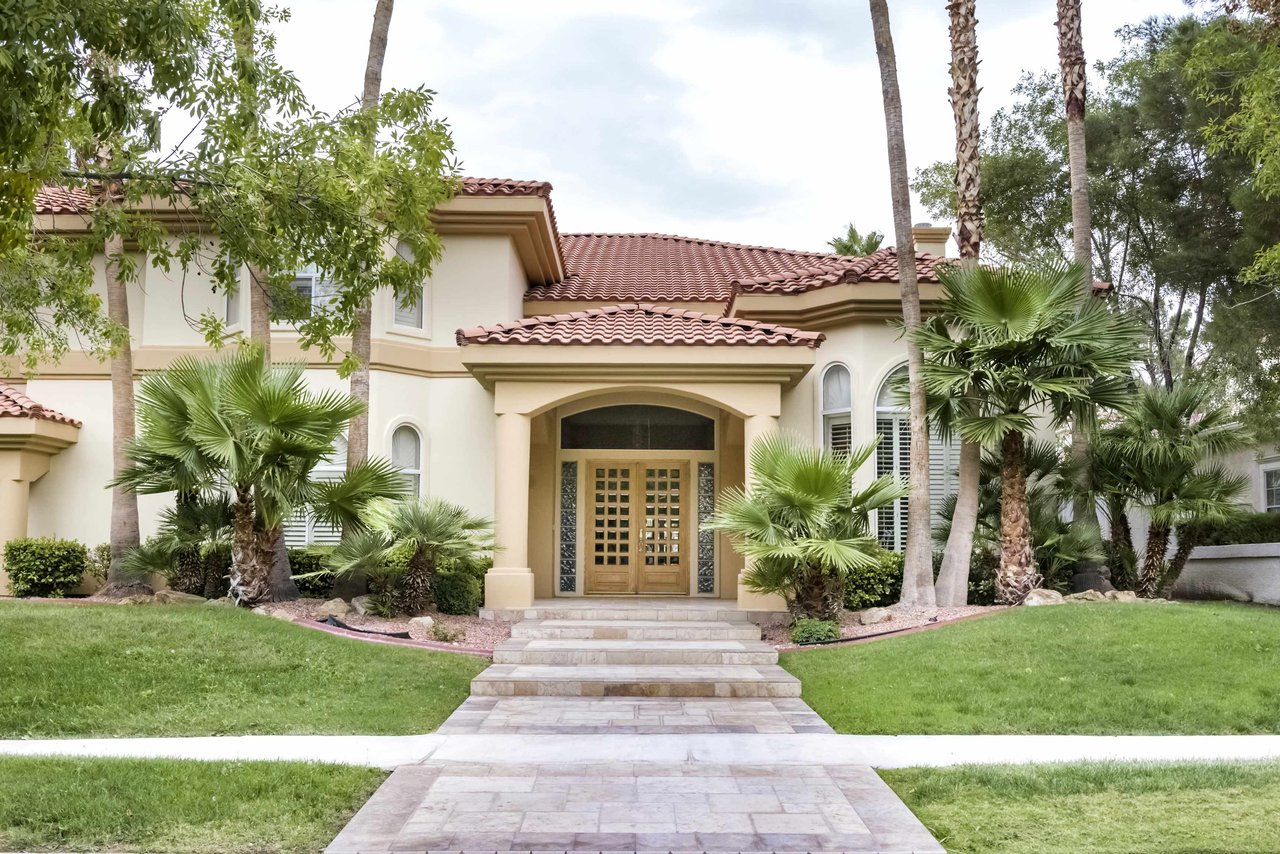
You’ll see a wide range of housing: single‑family homes, waterfront and inland condos, gated master‑planned communities, and numerous active‑adult options. Many neighborhoods have homeowners associations, which means rules, amenities, and monthly fees.
Coastal condos often carry higher fees to cover building maintenance and storm‑related reserves. In single‑family subdivisions, fees vary based on amenities such as gates, landscaping, and community facilities. If you prefer fewer restrictions, you can find non‑HOA areas, but they are less common near resort‑oriented corridors.
If you plan to rent seasonally or long‑term, review city and HOA rental rules before you buy. Short‑term rentals are more common near the coast and can add traffic and parking turnover during peak months.
Costs, taxes, and insurance
Florida has no state personal income tax, which many full‑time residents value. Sales and property taxes apply, and actual property tax bills depend on assessed value, local millage rates, and exemptions such as the homestead exemption for primary residents.
Insurance is a key budget item. Homeowners and windstorm insurance in coastal Florida can be higher than inland areas. If a property is in a flood zone, lenders often require flood insurance. Premiums and availability change, so get quotes early in your search and compare hurricane deductibles and coverage details.
Utilities matter too. Electricity use stays higher because air conditioning runs much of the year. Internet speeds and providers vary by neighborhood, with fiber in some areas and cable or DSL elsewhere. Verify service levels at the exact address.
Recreation and community life
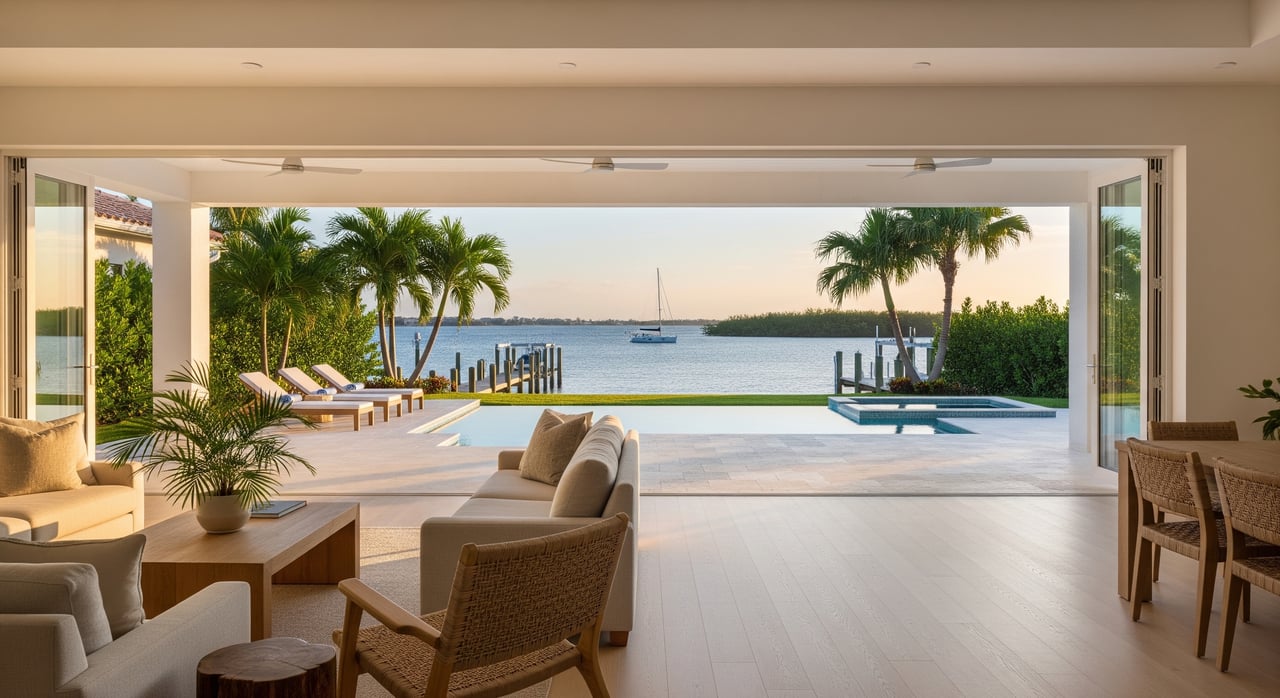
Bonita’s outdoor life is the main draw. You’ll have Gulf beaches, public access points, and boat ramps that open up the bays, estuaries, and near‑shore waters. The Estero Bay Aquatic Preserve and nearby parks offer paddling, wildlife viewing, and nature walks.
If you’re a golfer, the region has public and private options, and many gated communities include golf, tennis, pickleball, pools, and fitness centers. Social calendars tend to fill in winter with visiting friends and seasonal events, while summer brings quieter evenings and easier reservations.
Dining ranges from coastal seafood spots to casual chains and local independents. You’ll find more variety when you hop into Estero, Fort Myers, or Naples. Small arts venues, farmers markets, and community festivals appear seasonally and give you a neighborly feel.
Risks and preparedness
Hurricane and flood readiness is part of life here. Learn your Lee County evacuation zone and routes. Consider upgrades like impact windows, shutters, wind mitigation improvements, and flood‑resistant features if your property needs them.
Plan for peak‑season traffic and service waits. Expect longer dining lines and busier beaches from December through April, plus occasional scheduling delays for popular healthcare providers. Coastal neighborhoods with short‑term rentals may experience more turnover and parking demand during holidays.
Employment centers include hospitality, healthcare, retail, and construction. Some residents commute to larger cities or work remotely. If you rely on remote work, confirm internet providers and speeds at the property level before you write an offer.
Is year‑round life right for you?
Bonita Springs fits well if you want warm winters, beach access, and a relaxed pace with big‑city amenities close by. It also rewards planners who handle storm prep and insurance upfront and who are comfortable driving for most errands.
Consider these pros:
- Beaches, boating, and year‑round outdoor recreation.
- Mild winters and an active seasonal social scene.
- No state personal income tax and a broad mix of housing.
Balance with these tradeoffs:
- Hot, humid summers and daily A/C use.
- Hurricane season and the need for insurance planning.
- Seasonal traffic and crowded beach corridors in winter.
Next steps and local help
When you’re serious about moving, make a practical checklist. Spend time here in both winter and summer if you can. Drive your likely commute at the times you care about. Talk to insurance providers early if you’re considering coastal or flood‑zone properties.
Here’s a simple due‑diligence list:
- Verify your evacuation zone and flood zone for any property you consider.
- Get insurance quotes that include windstorm and, if needed, flood coverage.
- Review HOA rules, fees, rental policies, and capital reserves for condos.
- Confirm internet providers and speeds at the address.
- Check school attendance zones and program options if applicable.
- Visit during peak season to see traffic, parking, and beach conditions.
- Price utilities and maintenance realistically, including A/C service.
If you want a second set of eyes on property condition, storm‑hardening features, and realistic upkeep costs, connect with a local who looks beyond staging and square footage. For buyer representation, seller services, and an instant valuation for your current home, reach out to Joe Janisch for straightforward, inspection‑informed advice.
FAQs
Is Bonita Springs good for year‑round living?
- Yes; the city supports both full‑time residents and seasonal visitors, with outdoor amenities, nearby employment centers, and year‑round services.
How risky is hurricane season in Bonita Springs?
- Storm risk exists from June through November; most residents manage it with evacuation planning, home hardening, and appropriate insurance.
What is commuting like in Bonita Springs?
- Most people drive; I‑75, U.S. 41, and Bonita Beach Road are key routes, and traffic increases in winter and near beach areas.
How crowded are Bonita Springs beaches?
- Winter months are busier with visitors and seasonal residents; summer is quieter but hotter, and holidays can be crowded.
How are schools in Bonita Springs?
- Schools are part of the Lee County School District, and programs vary by zone; verify the assigned school for any specific address.
What should I expect for insurance costs?
- Homeowners and windstorm premiums can be higher than inland areas, and flood insurance may be required in flood zones; get quotes early.
Do I need a car to live in Bonita Springs?
- Yes; most residents rely on personal vehicles for daily errands and commuting, with limited public transit options.
Is remote work practical in Bonita Springs?
- Often yes; confirm broadband providers and speeds at the property level to ensure service meets your needs.